
Exhibition Schedule
Current Exhibition
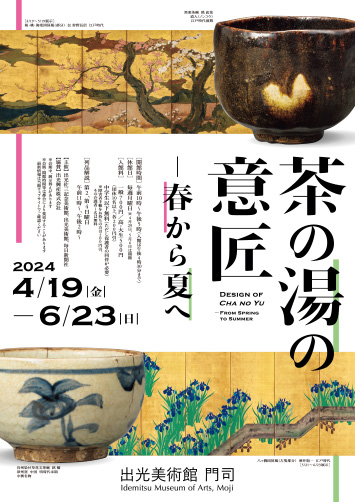
Design of Cha no Yu
─From Spring to Summer
- April 19 (Fri) - June 23 (Sun), 2024
*The museum is closed on Mondays except April 29, May 6, 2024
The tradition of enjoying tea from China has long reflected the esthetics of the Japanese people, developing into its own culture of tea. During the Edo period, tea masters arranged tea utensils according to the four seasons and seasonal flora to decorate the tea room and serve the guests. This exhibition presents a selection of works that represents the passing of the seasons, from spring full of blooming plants and flowers to early summer brimming with young leaves and towards a hot summer. We hope you enjoy the feeling of each yeartime through the seasonal designs of tea utensils.
Exhibition Schedule
2024.4~2025.3
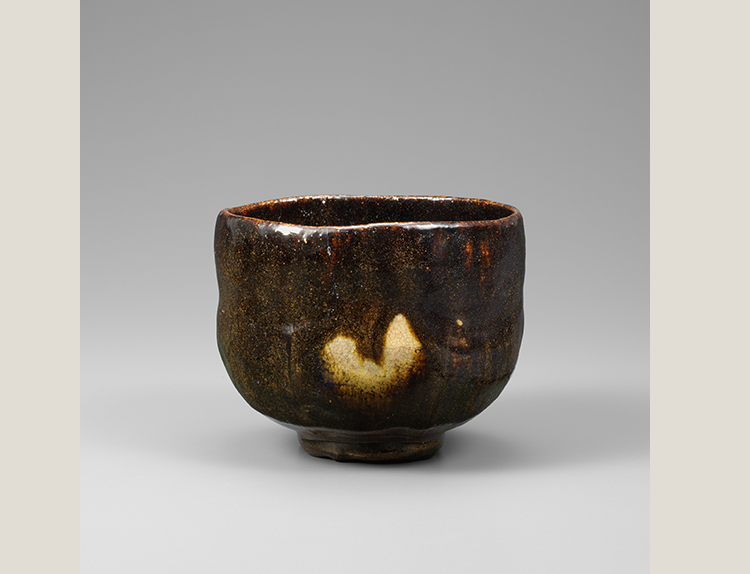
April 19 (Fri) - June 23 (Sun), 2024
Design of Cha no Yu
─From Spring to Summer
The tradition of enjoying tea from China has long reflected the esthetics of the Japanese people, developing into its own culture of tea. During the Edo period, tea masters arranged tea utensils according to the four seasons and seasonal flora to decorate the tea room and serve the guests. This exhibition presents a selection of works that represents the passing of the seasons, from spring full of blooming plants and flowers to early summer brimming with young leaves and towards a hot summer. We hope you enjoy the feeling of each yeartime through the seasonal designs of tea utensils.
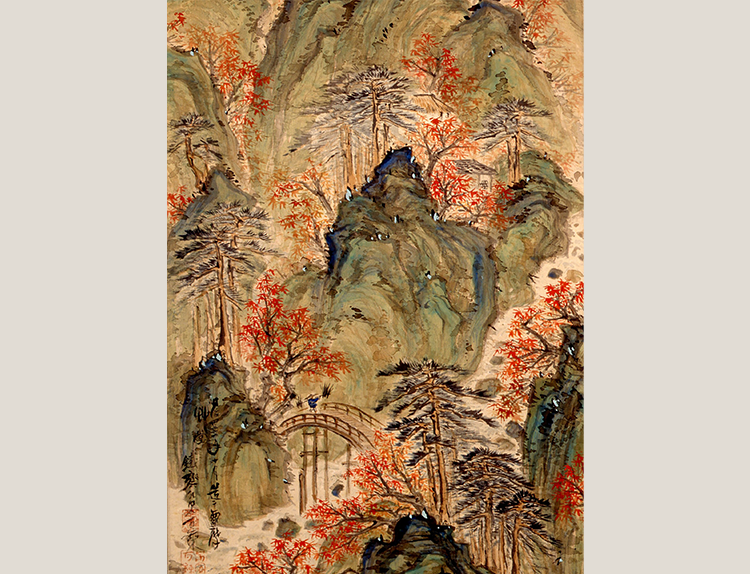
July 5 (Fri) - August 18 (Sun), 2024
Commemorating the 100th Year of His Death
Tomioka Tessai
─The Last Literati
Tomioka Tessai (1836-1924) is a Confucianist who lived through the tumultuous modern age, spanning from the end of the Edo period to the Meiji period. He is also known as the “last literati” who with the ancient culture of East, read many scrolls, and traveled many miles during the age of increasing Westernization. While holding his dignity as a scholar, Tessai was a painter who broke new ground in painting with his bold brushstrokes and delicate color palette. This year, marking the centenary since the artist’s death, the Idemitsu Museum of Arts invites all to view his masterpieces in the collection and enjoy the unique beauty of his works.
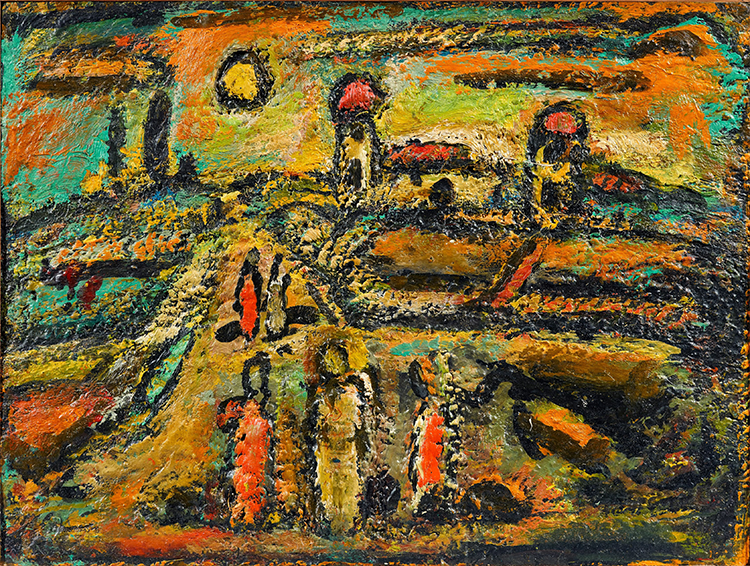
September 6 (Fri) - November 4 (Mon), 2024
Georges Rouault
─In Search of the Inner Light
George Rouault (1871-1958) is one of the representative French artists of the 20th century. His works known for its brilliant colors and thick matière have captured the hearts of many across all nationalities, time periods, and beliefs. In a world full of social contradictions and cruel wars, Rouault sought salvation in Christianity. This exhibition features the artist’s representative works from the Idemitsu collection, such as the oil painting series, "PASSION," and copperplate engravings, "MISERERE," that express his deep and sacred world reflecting his faith.
November 15 (Fri) - December 22 (Sun), 2024
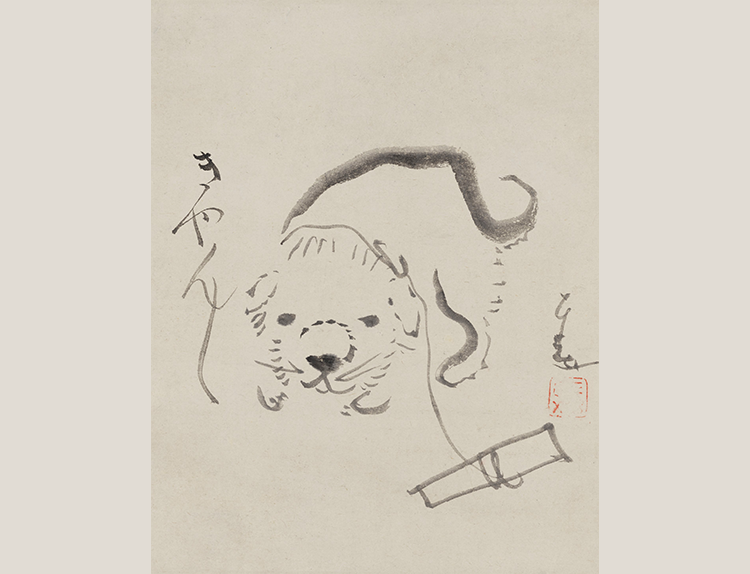
Age of Sengai
─Joy of the Edo Period
Sengai Gibon (1750-1837) was the head monk at Shōfuku-ji in Hakata, Fukuoka prefecture, the first Zen temple in Japan. He was known for painting elegant zen-ga (Zen paintings) filled with humorous touches and many people visited his small temple to see his works. Sengai was active at a time when artists such as Maruyama Ōkyo (1733-1795) and Nagasawa Rosetsu (1754-1799) in Kyoto, Kitagawa Utamaro (1753-1806) and Sakai Hōitsu (1761-1829) in Edo (present-day Tokyo), and further literati painters such as Tanomura Chikuden (1777-1835) were also active, during a ripe age of townsmen culture. This exhibition introduces paintings of the Edo period that shares the joy of painting.
January 10 (Fri) - March 23 (Sun), 2025
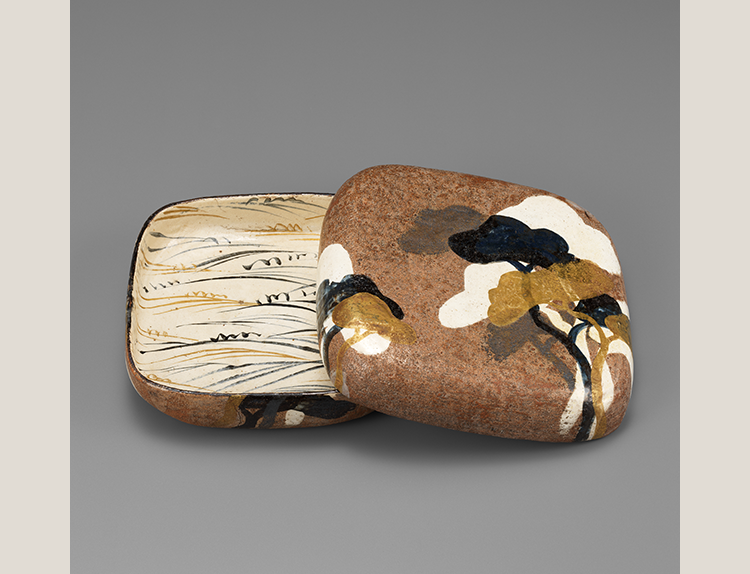
Rimpa Ceramics
─The Echoing Beauty of Ceramics and Paintings
Ogata Kenzan (1663-1743) was a Kyoto potter representing the ceramic art of mid-Edo period. Kenzan's works, known as “Rimpa ware," were revolutionary in the history of ceramics for their painterly design. By adopting elegant courtly culture and literary design, his works created a new world of ceramics that harmoniously blended with the esthetics of painting and calligraphy. This exhibition introduces Kyoto ware by Nonomura Ninsei, and others that show strong ties with Kenzan, and further, Rimpa paintings that resonate with their ceramics. We hope you enjoy the harmony of Rimpa that echoes across genres of crafts and painting.